
What if you let love, not fear, lead your life and your leadership?
True leadership isn’t about perfection. It is about daring to be vulnerable, holding your vision in the darkness, and trusting your soul to guide you home. In a world where entrepreneurs are constantly told to grind 24/7, we need to redefine what it means to run a successful company.
In a recent episode of the Love Inspired Leadership Podcast, host Carolyn Cooper sat down with Jennifer Brown Flewelling, an automation expert, AI customer journey specialist, and the founder of Go Jel (JEL). For over 25 years, Jennifer has helped guide service-based business owners to streamline their marketing, sales, and customer service so they can scale without burnout.
Their conversation unfolded a powerful truth: Systems should support people, not replace them. If you are currently feeling trapped in the day-to-day operations of your business and wondering how to grow without losing your life in the process, this framework is for you.
1. Shift From a 24/7 Grind to True Work-Life Balance
Many business owners operate under the limiting belief that they must be available 24 hours a day, 7 days a week, to remain competitive. However, constantly rotating emails, proposals, and customer calls in your head makes you a prisoner to your own creation.
Jennifer’s philosophy was forged early on. Having grown up in a family pipeline business and later working in the corporate oil and gas sector, she experienced firsthand the exhaustion of a world without boundaries. When she bought her first franchise, she resolved to be a different kind of employer.
“I’ve always been a believer of giving 110% at work, but then giving your family and friends that other 110% by turning yourself off so you can truly be there.” — Jennifer Brown Flewelling
Building a business should give you flexibility and freedom. By setting clear boundaries and utilizing structure, you give yourself—and your team—the permission to unplug completely.
2. Put People First: Realignment Over Forced Results
Real leadership means building with people at the center. When a team member isn’t performing well, the gut reaction for many managers is to push harder or force a result. True leadership takes a different approach: realigning them to their natural strengths.
When people are allowed to show up as their authentic selves and do the work they actually enjoy, productivity, ownership, creativity, and service levels naturally skyrocket.
Case Study: The 15-Year Evolution of Tiffany
Jennifer shared the story of her long-time team member, Tiffany, who originally joined the company to help look after Jennifer’s children and handle administrative tasks.
The Problem: While Tiffany was wonderful with the kids, she struggled significantly with administrative work.
The Realignment: Instead of letting her go, Jennifer recognized Tiffany’s strong problem-solving skills and love for working with her hands. She moved her into an equipment installer role, where she thrived for nearly eight years.
The Ultimate Growth: Because Tiffany spent years understanding the practical, hands-on functionality of the products, she eventually transitioned into the company’s top salesperson.
By honoring an individual’s creative environment and natural strengths rather than forcing them into a rigid box, you allow your team to truly shine.
3. Scale Margins (Not Burnout) With Automation and AI
When a business experiences growth, the default reaction is usually to make a massive, expensive hire. However, relying solely on human labor to scale leaves your business incredibly vulnerable to economic shifts, recessions, and unexpected staffing shortages.
This is exactly what inspired Jennifer to launch Go-JEL. The goal was to help businesses scale without cutting margins and to control the brand experience seamlessly using technology.
The Power of a Unified Customer Journey
Think of iconic global brands—whether you order a coffee on the East Coast or the West Coast, the experience is identical because the process is entirely systematized. Your service-based business should be no different.
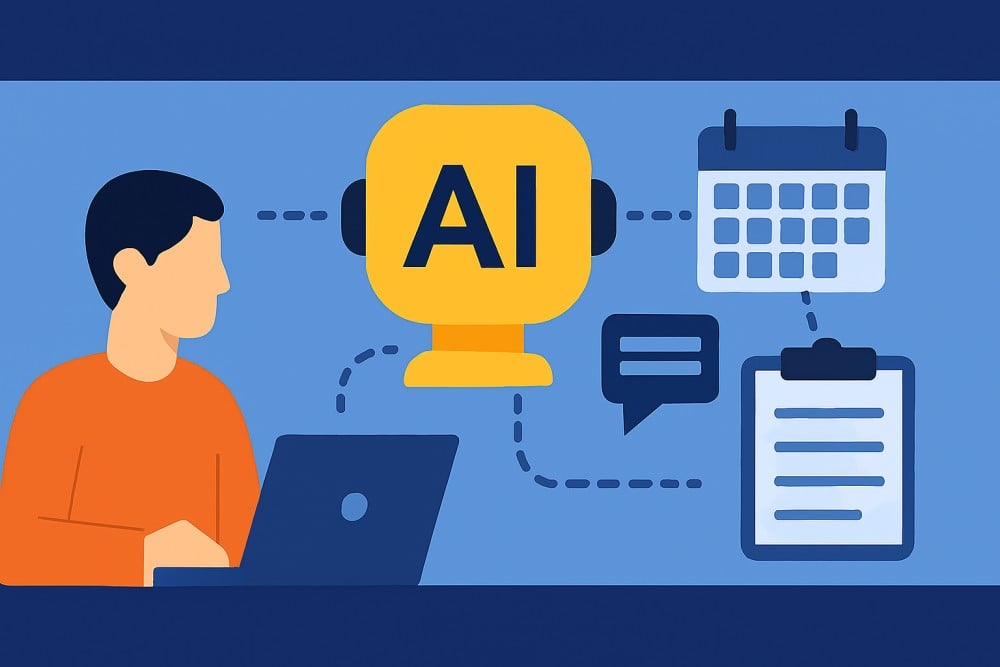
By integrating automation and AI into your customer journey, you create a 24/7 storefront:
Instant Engagement: When a prospect fills out a form online at 10:00 PM, an automated text or email can instantly trigger, providing them with a calendar link to book a consultation.
The 5-Minute Window: In modern business, consumers expect a response within 5 to 10 minutes. Automation ensures your leads are captured instantly, protectively guarding your marketing dollars while you spend your evening with your family.
Centralized Communication: Shuffling between separate emails, text threads, and phone logs wastes hours of time. Transitioning your team to a single, centralized system allows any staff member to jump into a client profile, view the exact history, and seamlessly support them if someone is out sick or taking a day off.
4. The Ultimate Goal: Leaving a Legacy of Peace
Ultimately, implementing intentional systems and clear structures is about reclaiming your time, energy, and presence.
A massive percentage of brilliant entrepreneurs are neurodiverse—they love the concept of systems, but don’t always know how to build them. Taking the time to map out your customer journey creates an energetic ease across your entire team. There is no guessing on how things are done from week to week; the path is clear.
Being an entrepreneur is one of the most rewarding journeys you can take. But the ultimate metric of success isn’t just revenue—it is harmony. Building your business with heart and structural integrity ensures that you can take a well-deserved two-week vacation, enjoy total inner peace while you are away, and return to find your business still standing, thriving, and scaling.
Ready to transition your business from chaotic to streamlined? Connect with Jennifer Brown Flewelling at Go-JEL to map out a customized customer journey that aligns your operations with your heart, and gets you your life back.
Listen to the full episode on the Love Inspired Leadership Podcast with Carolyn Cooper on Spotify and Apple Podcasts.